Floating
to be remembered
I touched down in Piarco to fragrant julie mango, golden starch mango, and crispy royal castle,with zaboca flowers and orchids in bloom in the garden. The cats are coy but they have missed me.
I delay this note. This post mortem. I linger with the memories.
I touched down but I have not landed.
Starting the 2026 calendar year within the nurturing womb of the Lucuyan Archipelago Residency at Poinciana Paper Press in Nassau, Bahamas, made possible through Fresh Milk, Barbados and the Panta Rhea Foundation has been transformative,
Fierce storms erupt out of nothing. Familiar on these islands where storms force reincarnation more than twice a generation. The land keeps those it loves. And I already have plans to return.
Perhaps I am in the deep. Perhaps I never left.
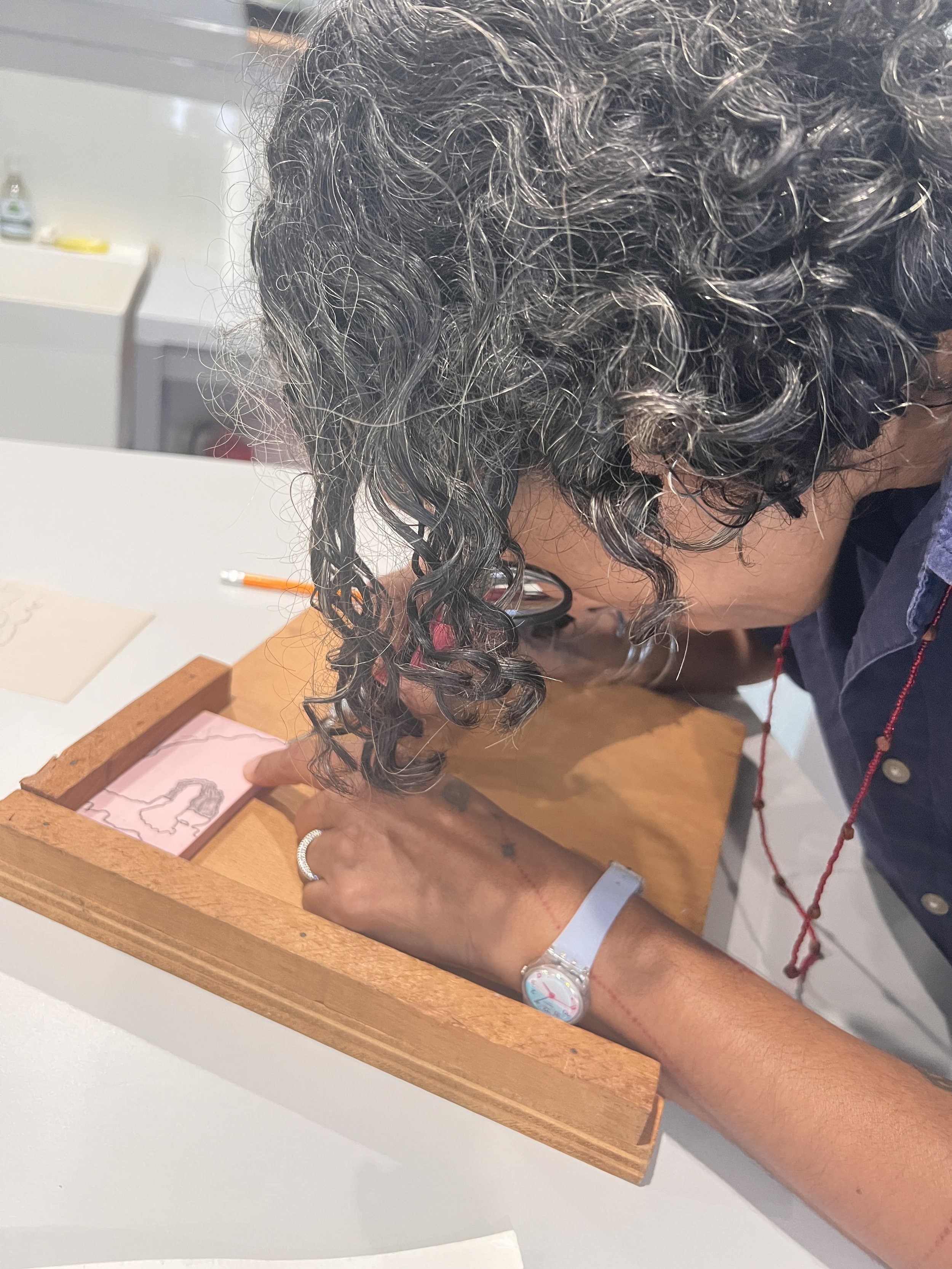
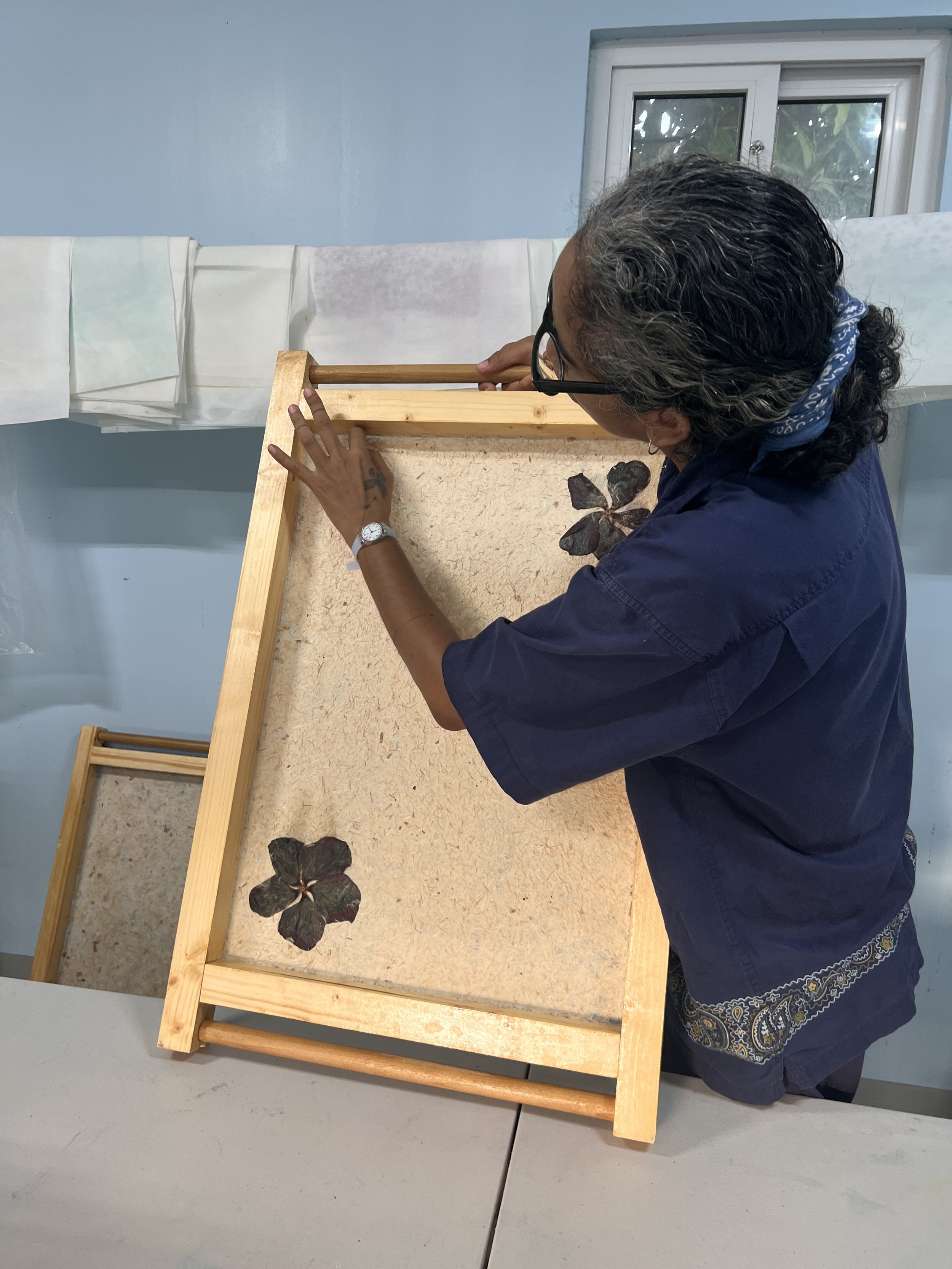
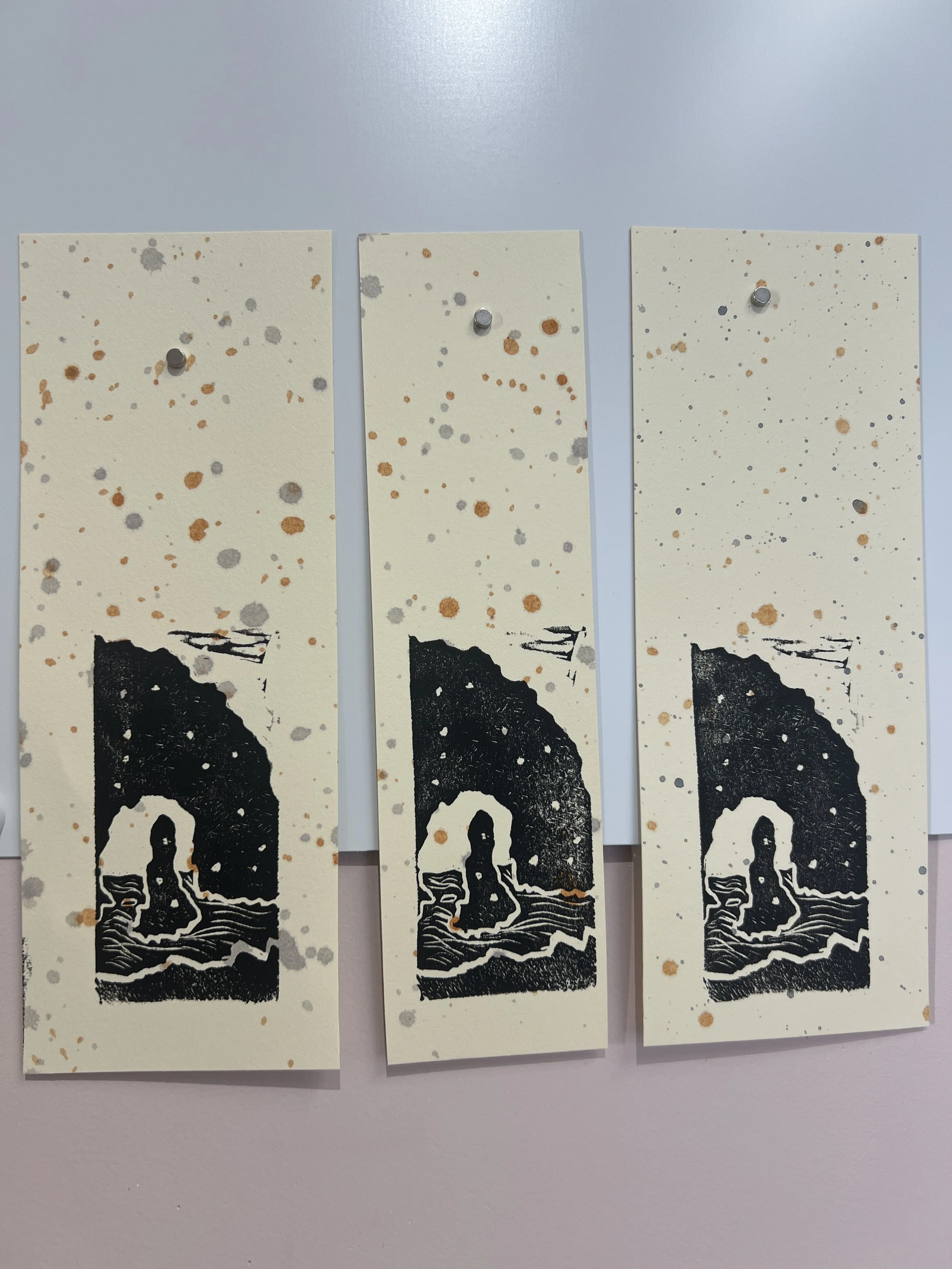
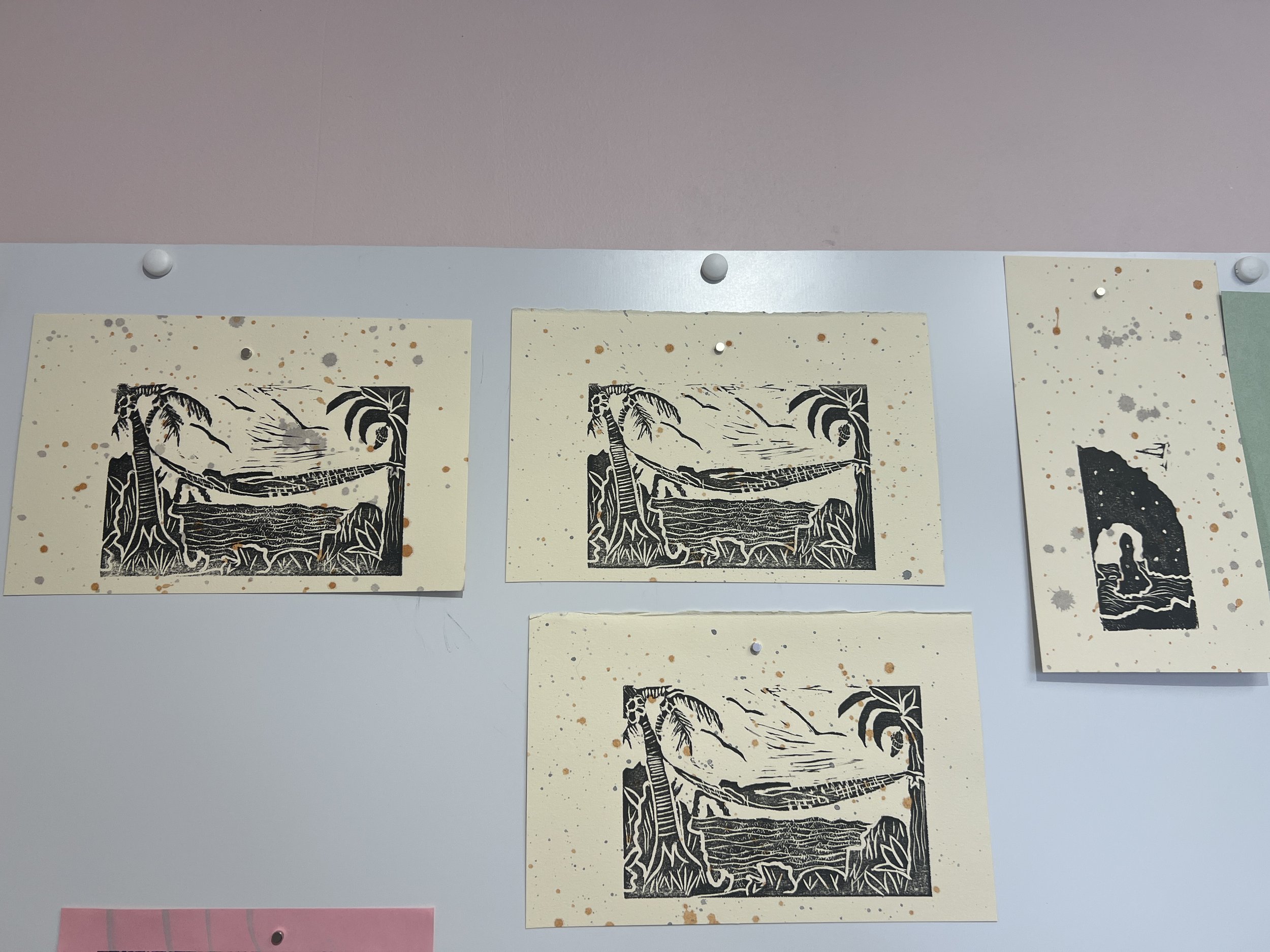
The first few weeks were filled with intense and inspiring workshops including making books, papermaking, letterpress, imagemaking: on the press, block printing, silkscreen, etc.
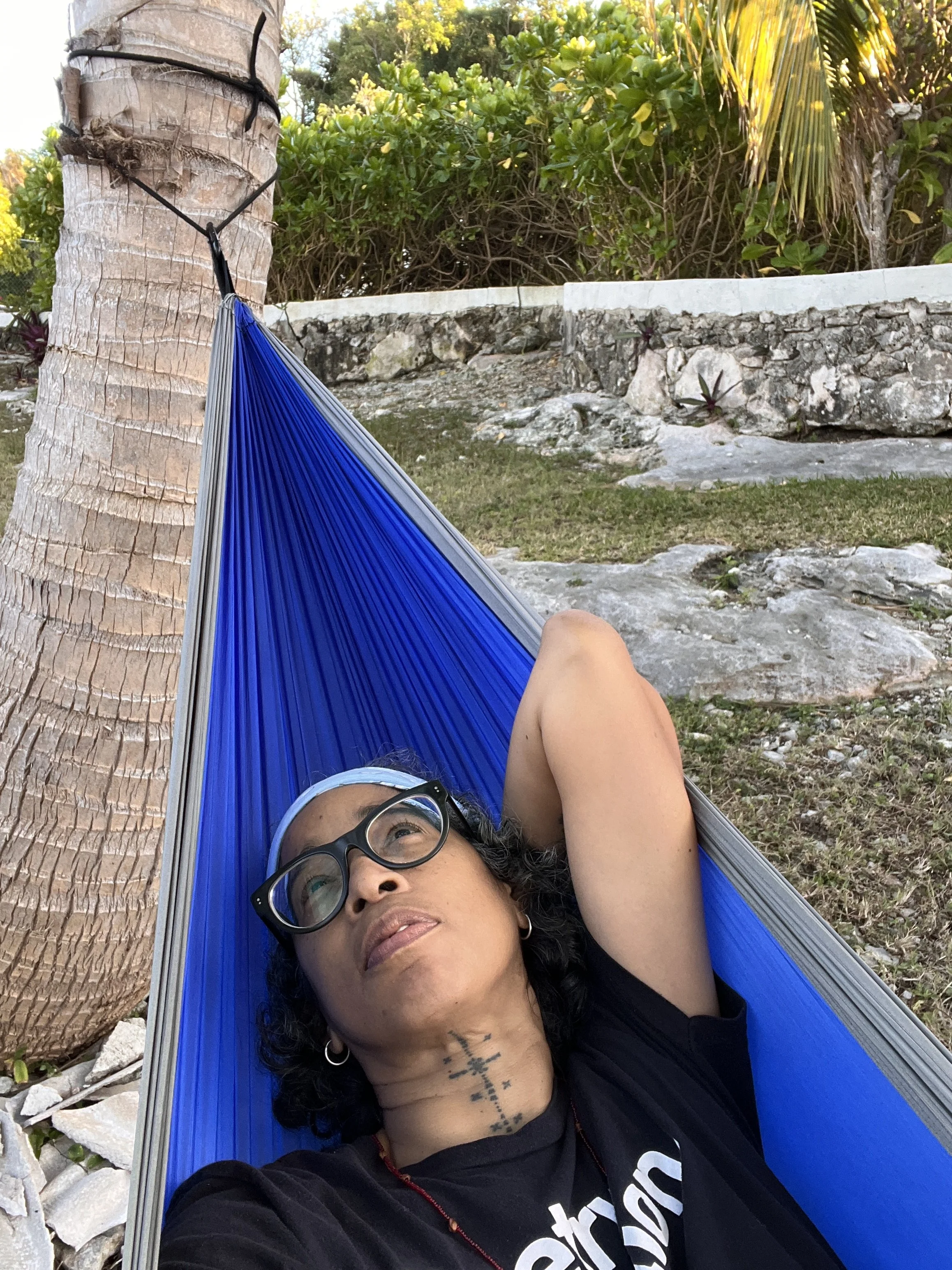
Lying in my hammock. Nassau, Bahamas. 2026
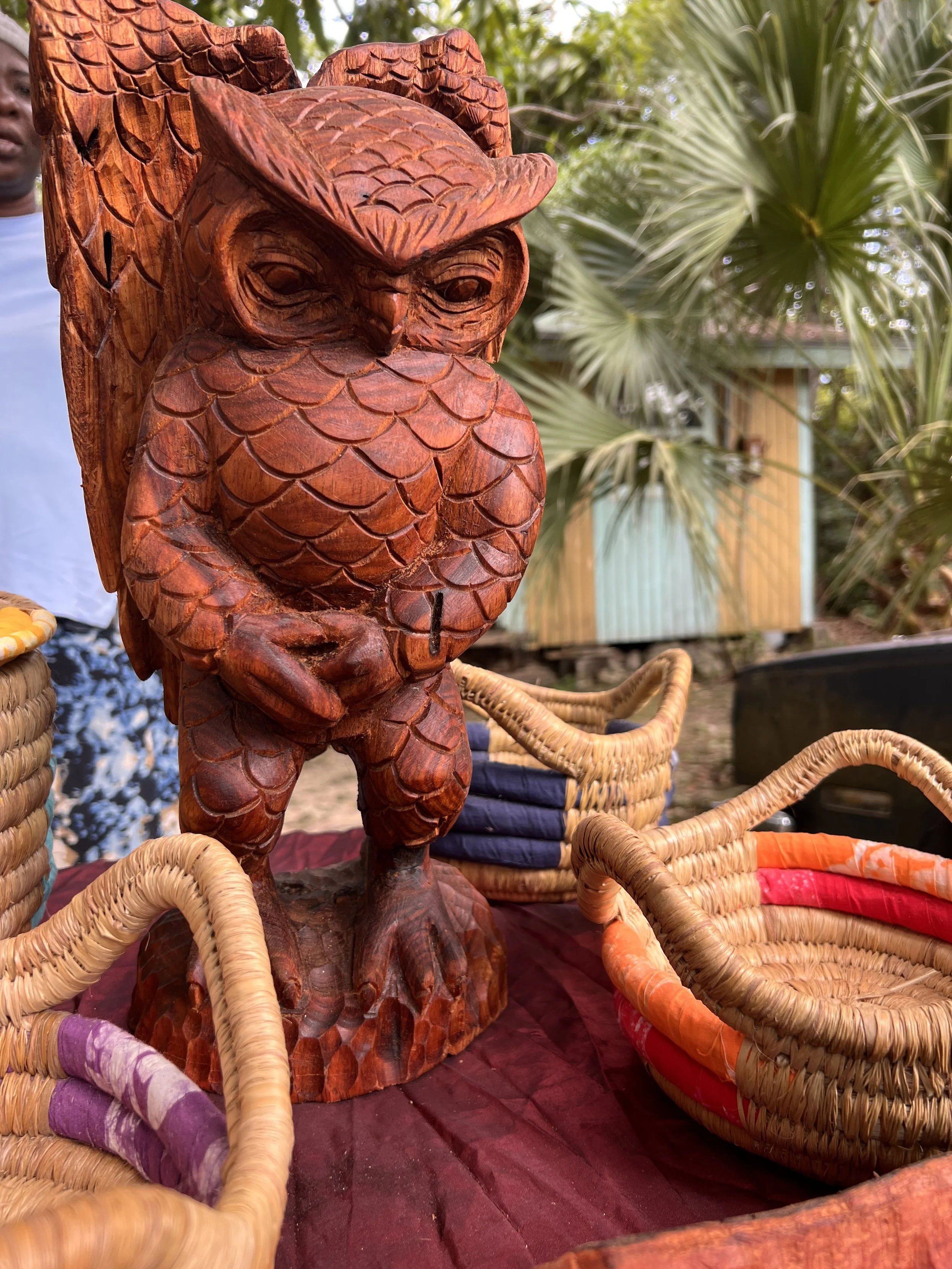
There were trips to the Primeval Forest, the Clifton Heritage historical tour, the National Art Gallery of the Bahamas, TERN, ICE, the V&M Collection, ECCO Museum and Current Gallery at Baha Mar.
On Sundays we were left to our own ends.
I travelled with my hammock and at the first opportunity found two suitable palm trees in the garden, tied a few knots and had my feet up in less than 10 minutes.
On the day before we left on our four-day excursion to Andros island, I lay in the hammock for most of the morning. I was taking a stretch through the garden when I spotted something that looked like a black grape. The only trouble was it was not growing in a bunch or from a vine.
The shrub from which the fruit sprung was regularly trimmed and came as high as my waist. The unripened fruit resembled something we call “fatpork” in Trinidad. But fatpork was usually pink and white.
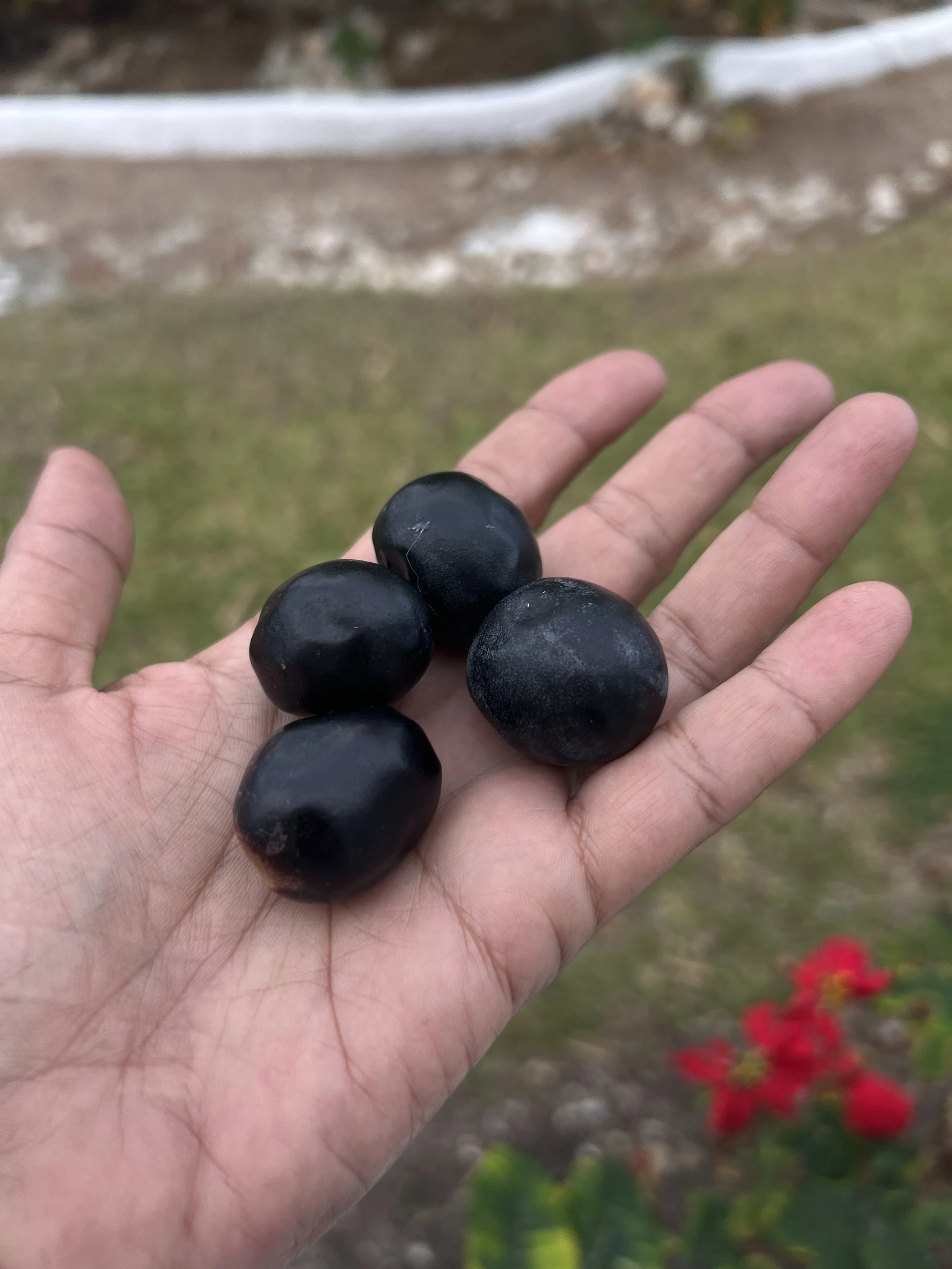
Black cocoplum. Nassau, Bahamas. 2026
I called fellow LAR resident, Carol Sorhaindo over and asked her if it looked familiar. She said it looked like fatpork but fatpork was white and pink in Dominica too. We stood in wonder for a few minutes and then decided a taste test would be the most conclusive plan of action. It was delicious. Somehow much sweeter than the fatpork we both knew.
I better look it up, she said. Yes, I agreed. So we will know how long we have left to live. We both chuckled. Then we both embarked on four hours of research into the cocoplum. Which is what the fatpork is called in these parts. Along the way we learned many fascinating things about the cocoplum.
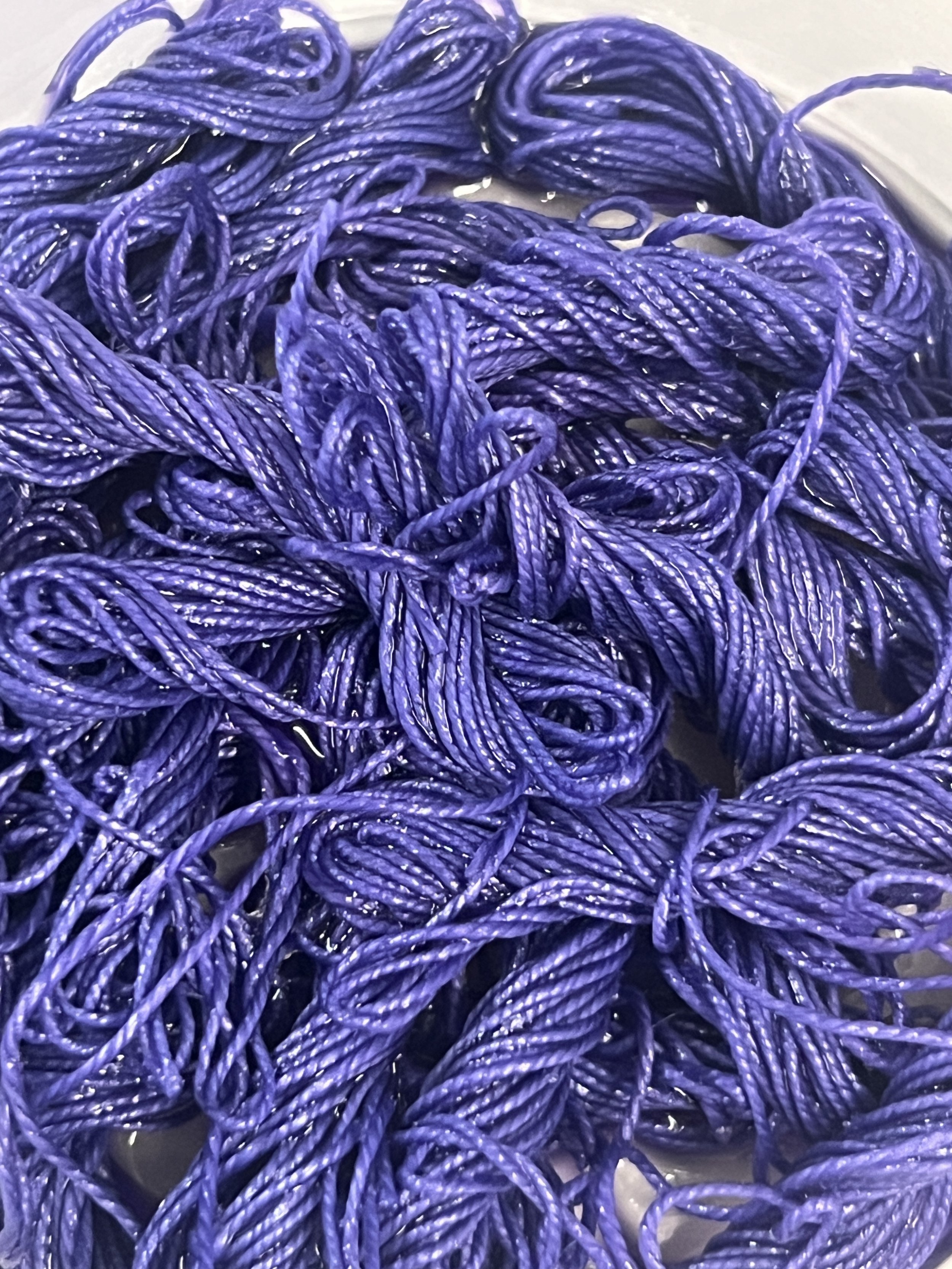
Including the fact that the stem and leaves could create a dye, the skin of the ripe fruit too. The dyes, black and deep violet in colour, were said to make materials waterproof and prevent decay of natural fibres.
I feel like the garden spoke to me that day.
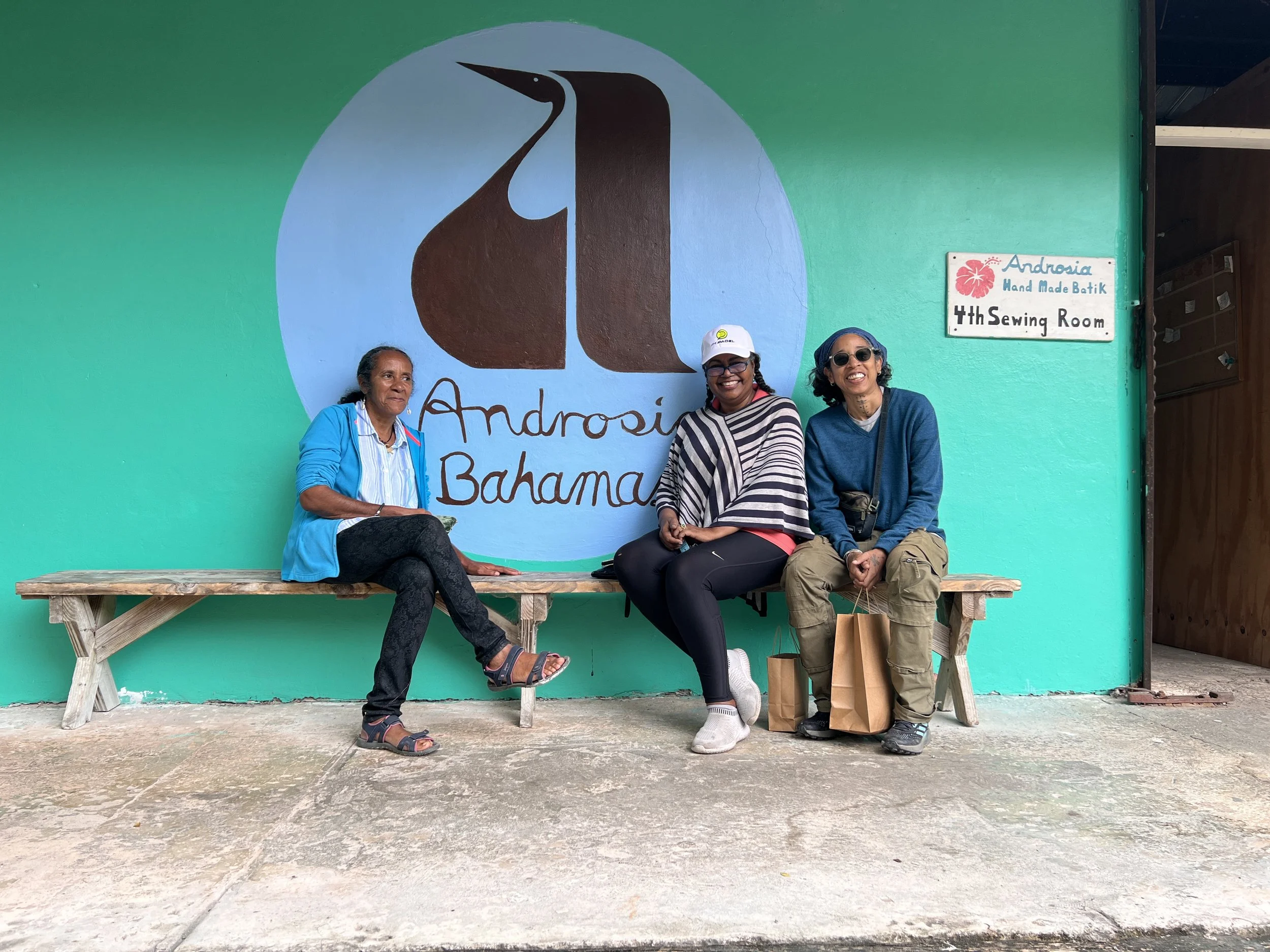
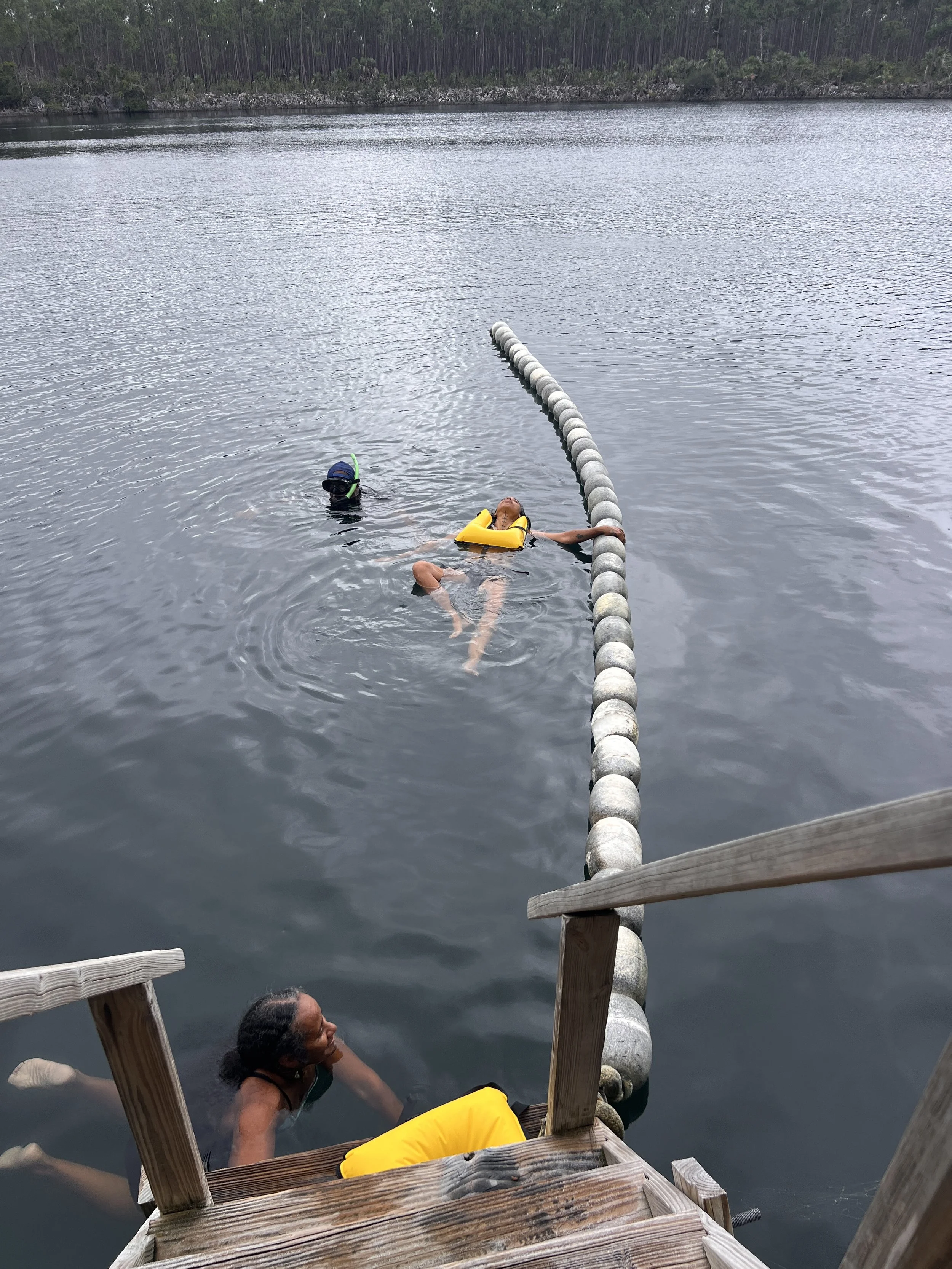
The next day we were off to Andros and the black cocoplum, mangroves and pine forests dominate the landscape. Turns out cocoplum is the secret ingredient to the success of their annual Crab Festival. They capture the crabs and fatten them with cocoplums, so they are plump for harvest when the festival rolls around.
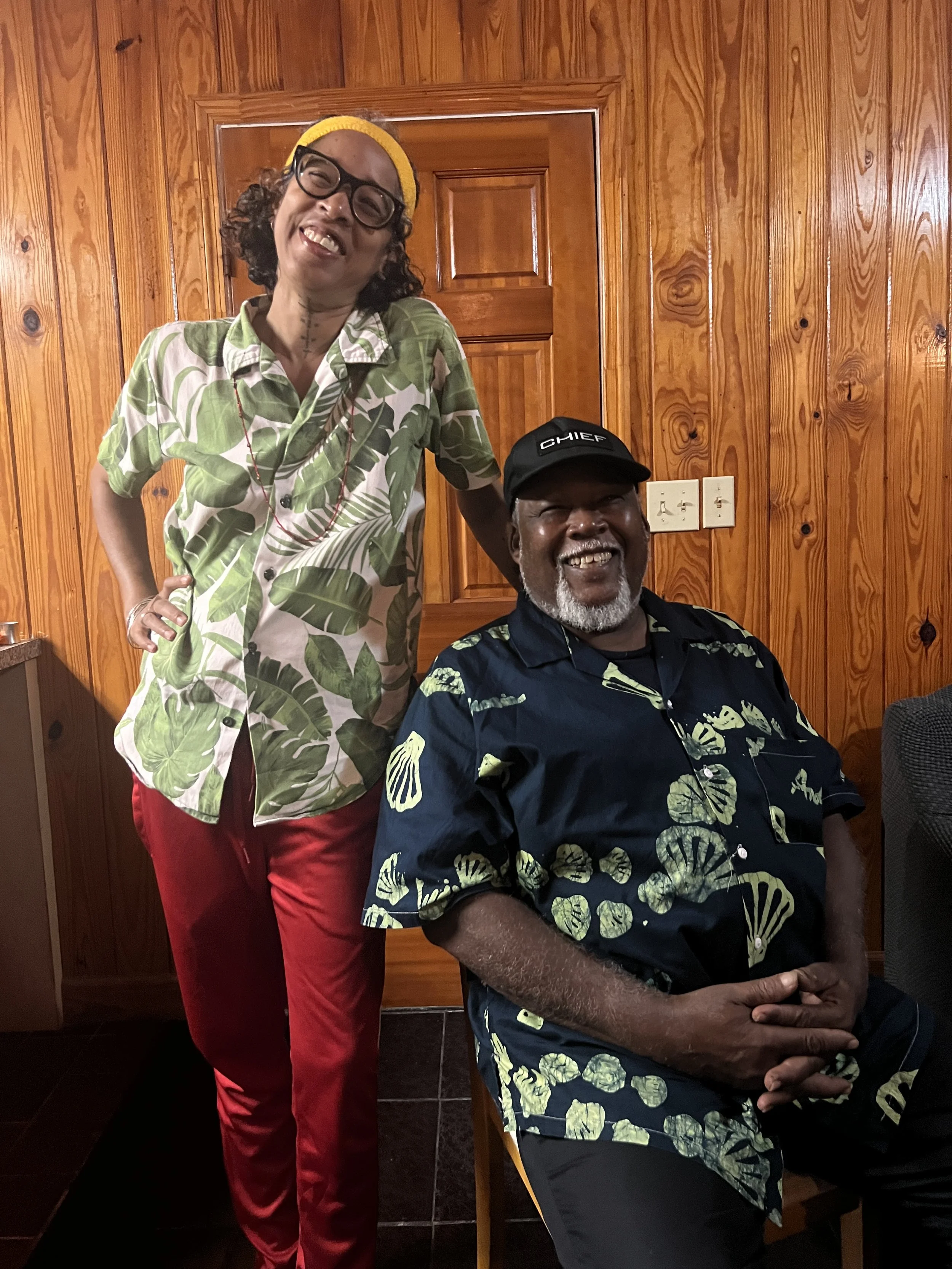
Chief Peter and I. Andros, Bahamas. 2026
Andros had a lot to say. Chief Peter Douglas led the way.
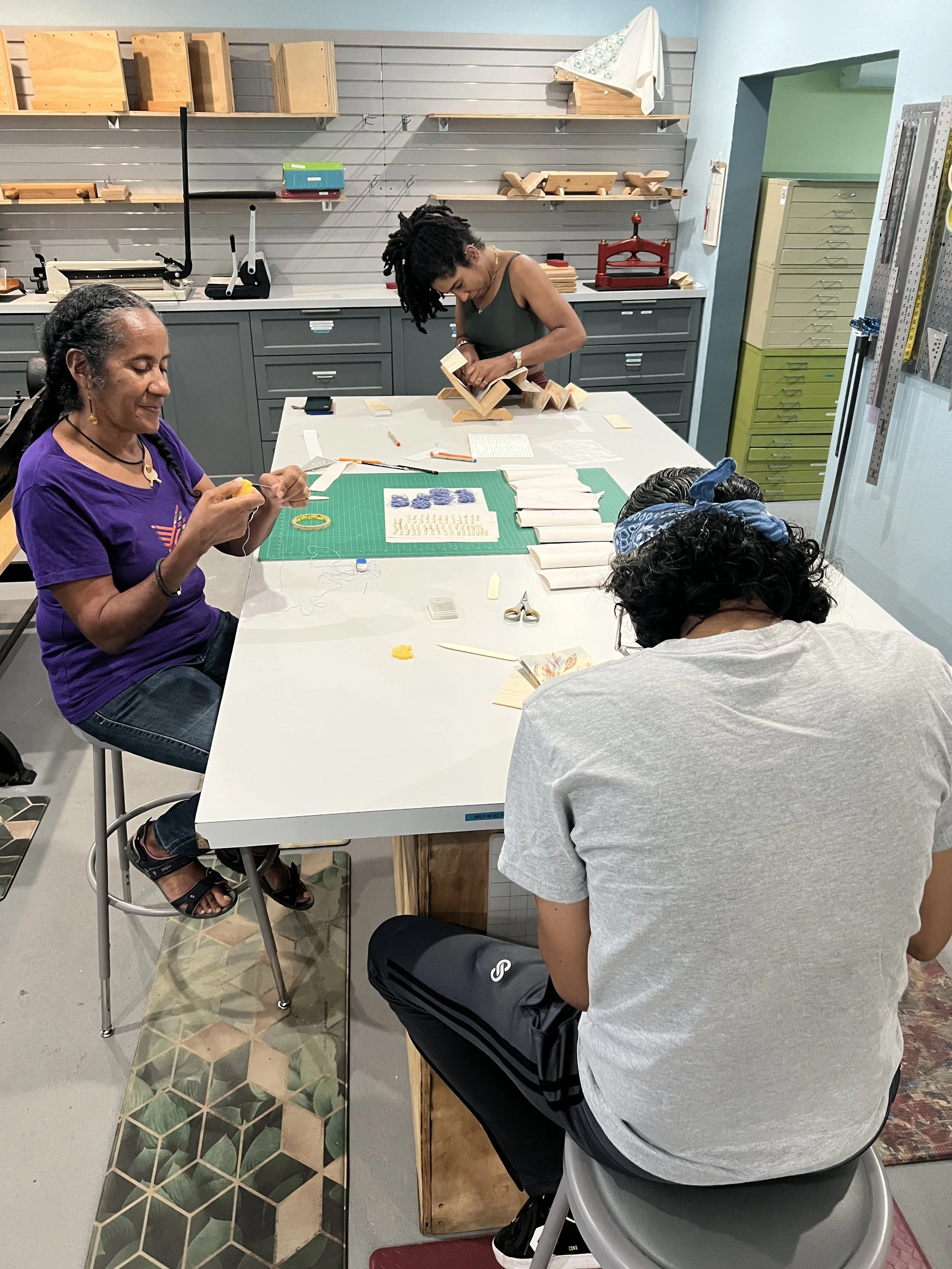
Some of these experiences made their way to my poem “to be remembered”. We spent the last two weeks of the residency making these memories into an accordion artists book.
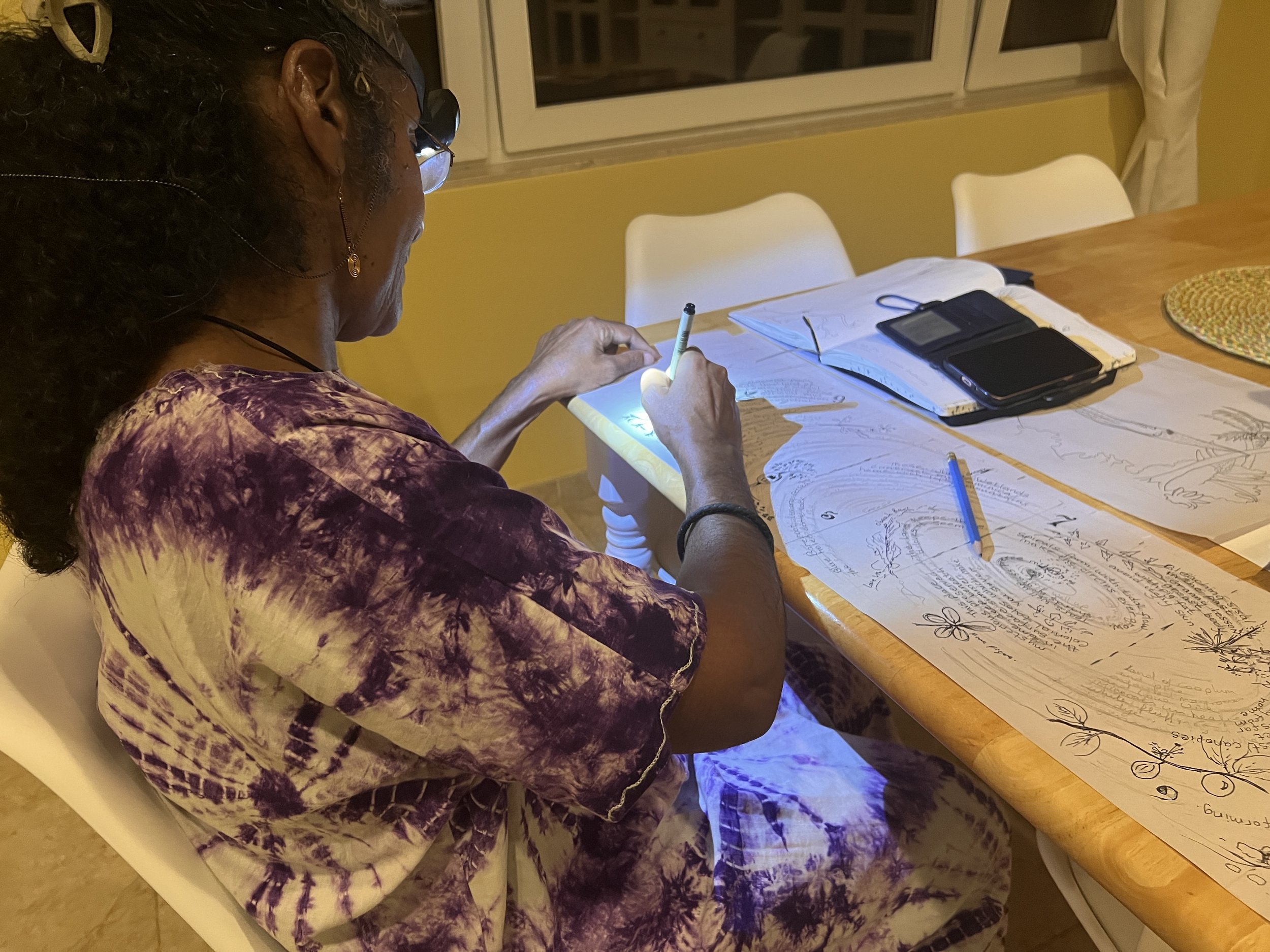
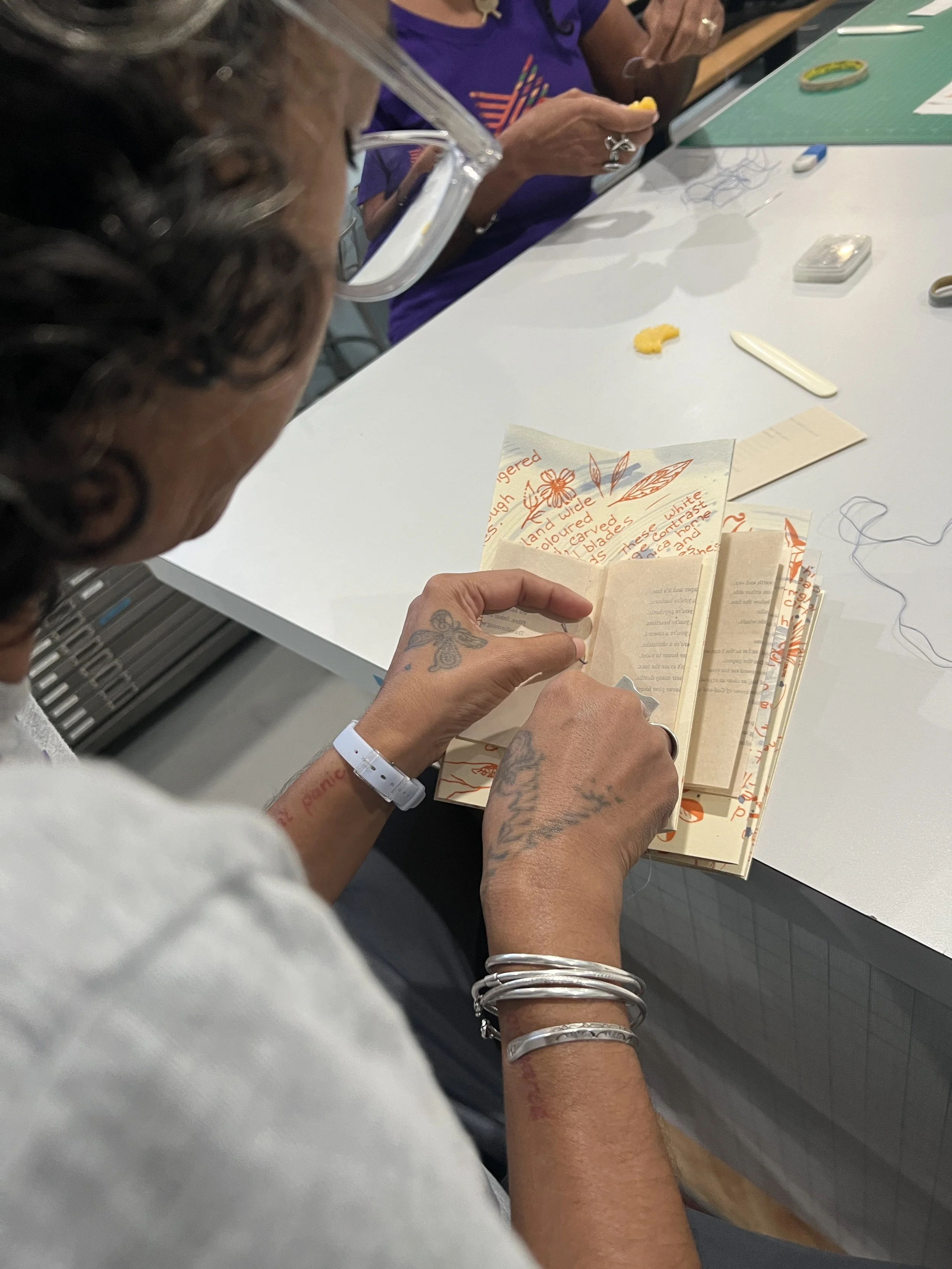
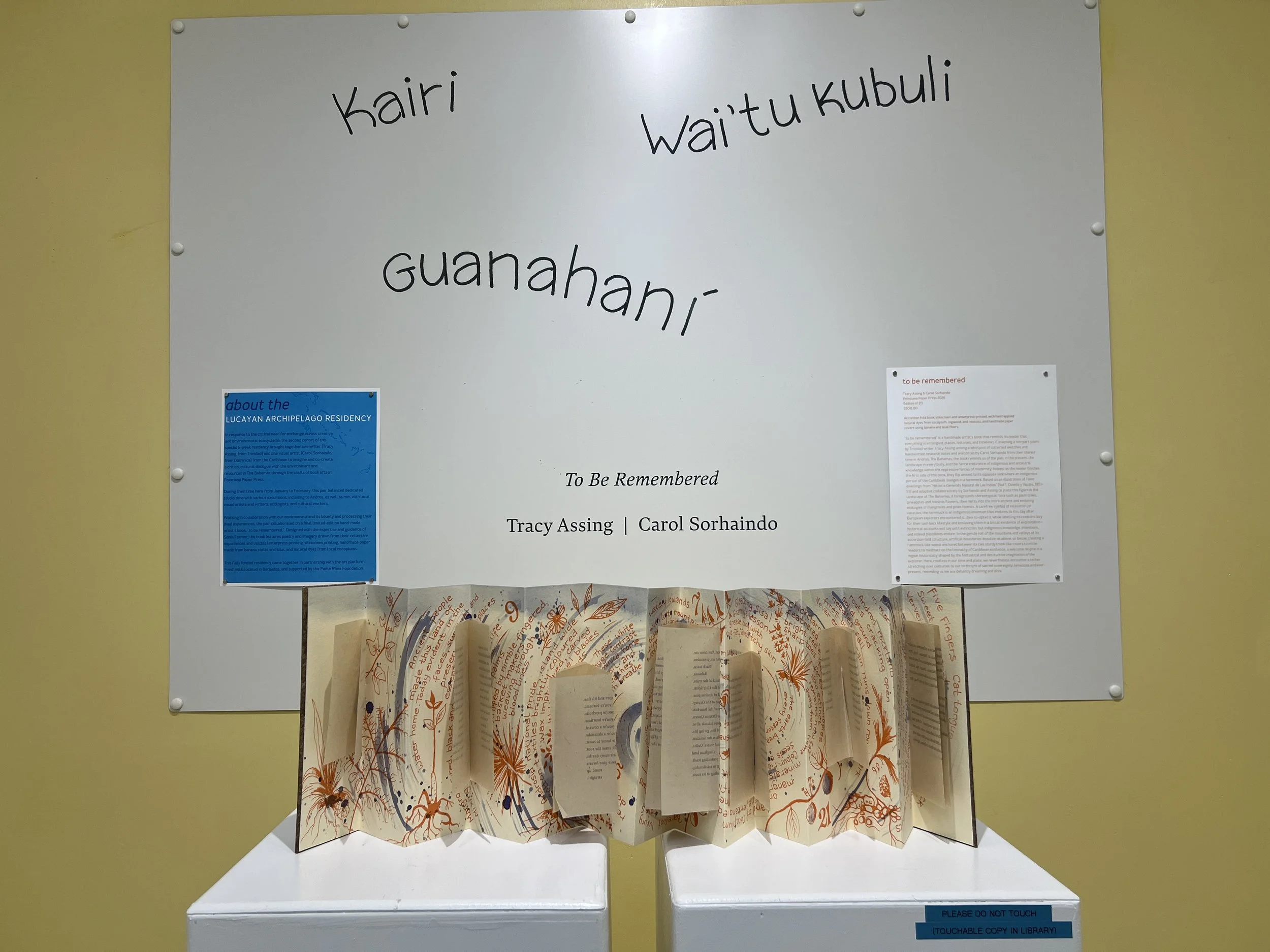
My poem was set in Lava from Typotheque, and letterpress-printed onto Kitakata papers, then hand-sewn into the accordion with thread dyed using cocoplums. Writing and illustrations by Carol were silkscreen printed onto Rives BFK for the accordion body, hand applications of color from cocoplum, logwood, and rouccou dyes also add to the story.
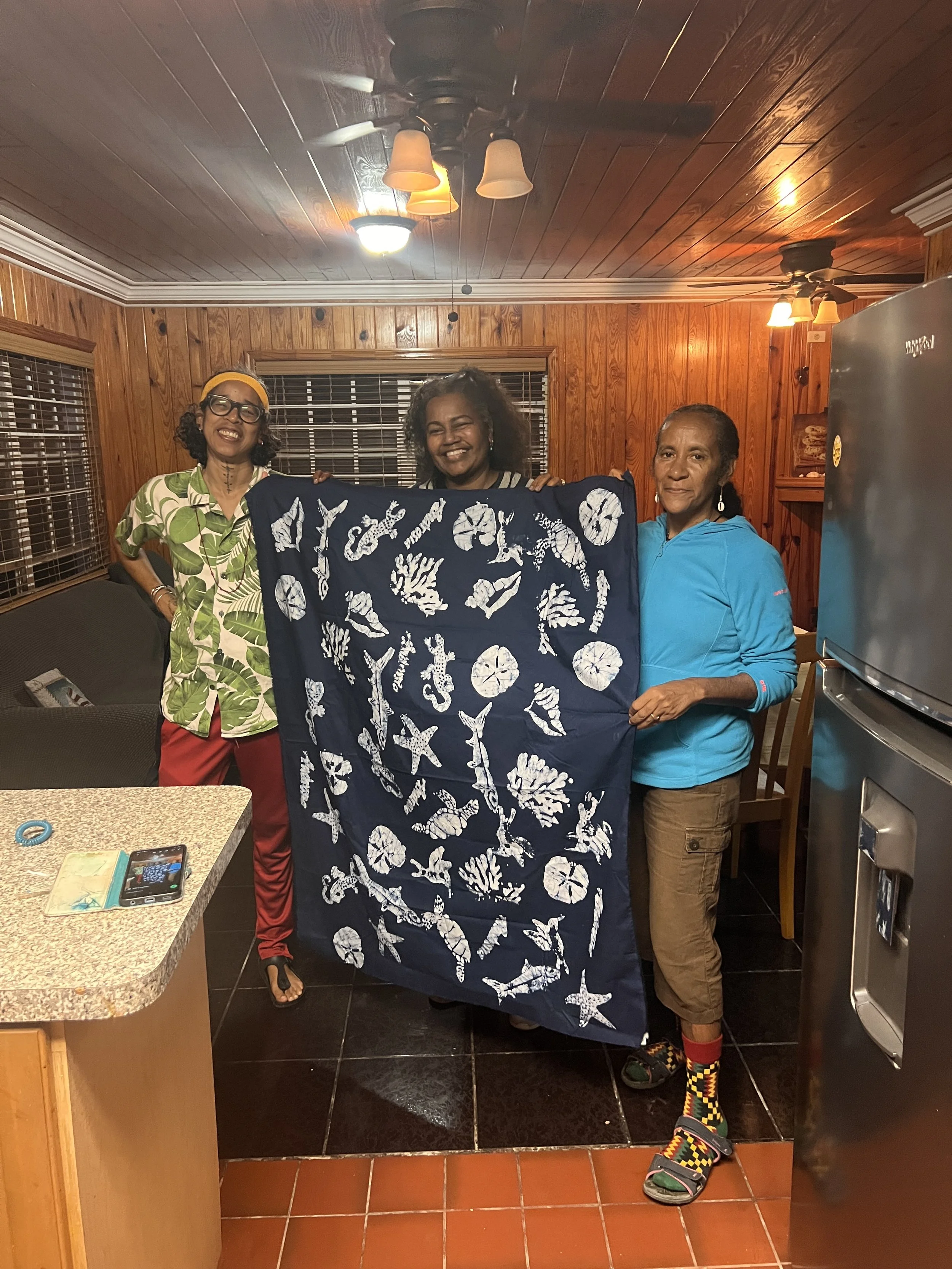
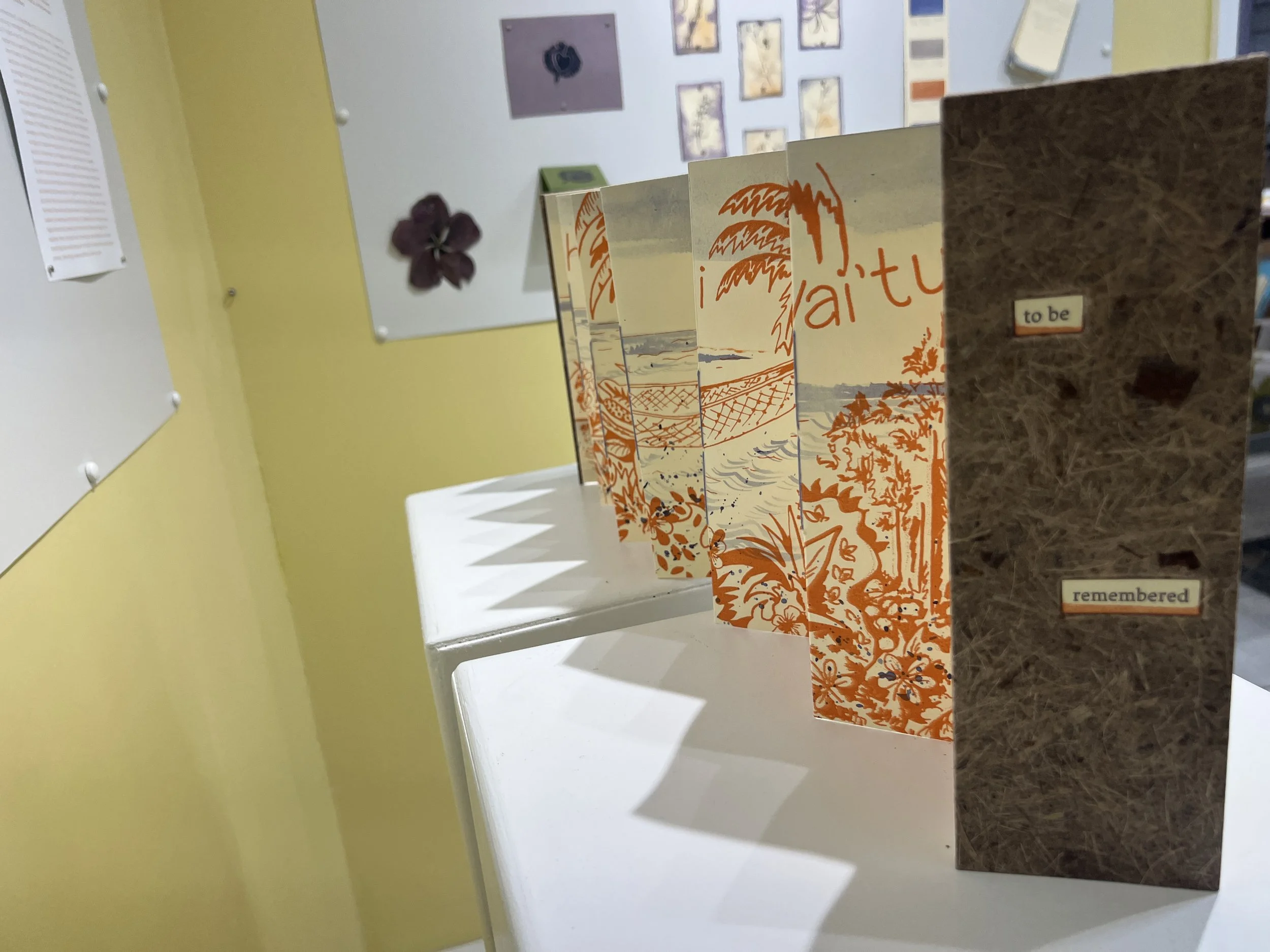
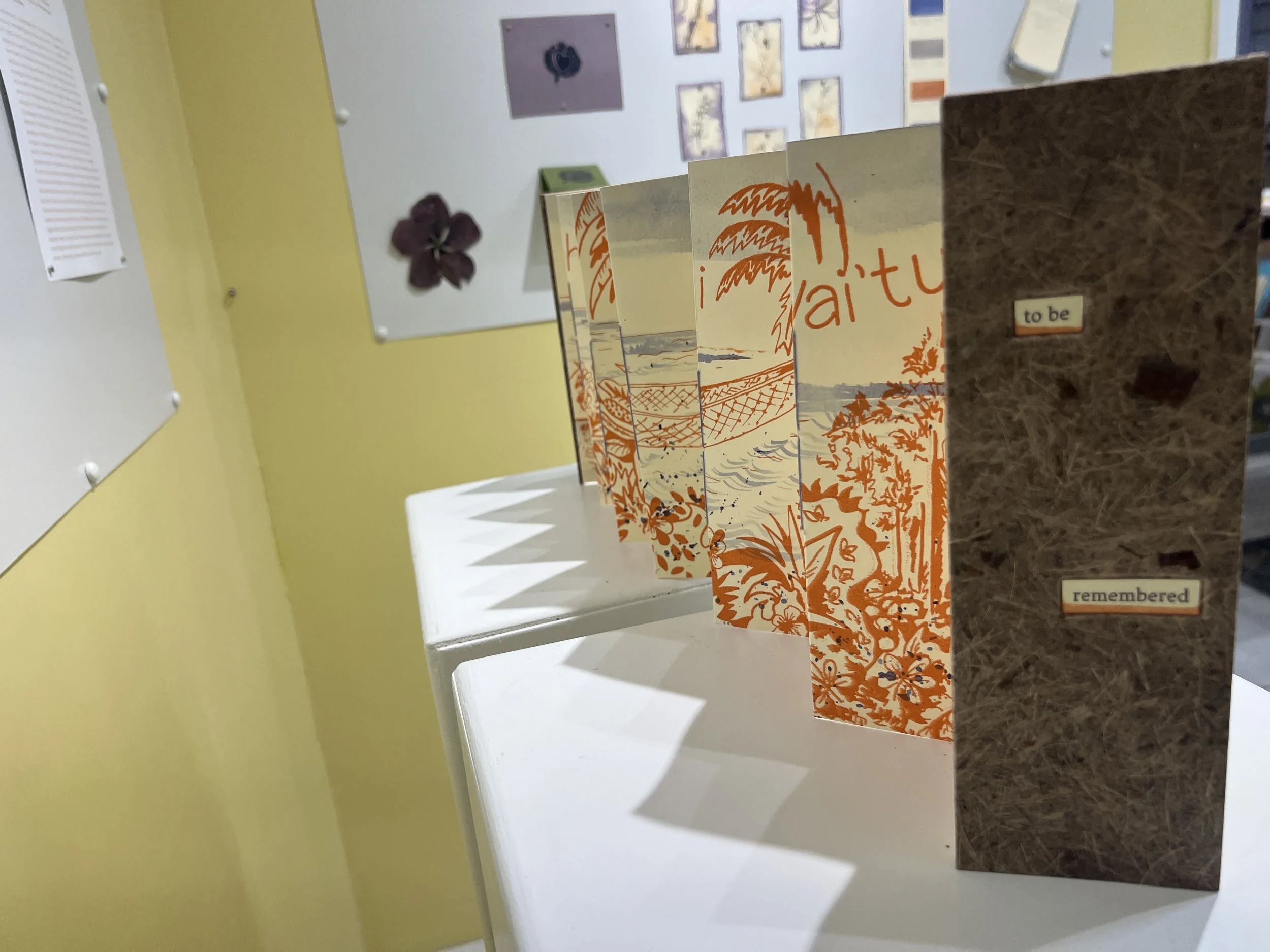
The book covers are wrapped in handmade paper (yes, paper we made!) using banana and sisal plants with black walnut dye additions, and held together with a bellyband of authentic Androsia batik from the island of Andros collaboratively stamped by Carol, artist Lisa Codella and myself.
Only twenty copies were made and introduced to the public on February 14, 2026. Only a few copies are currently available for purchase. For inquiries: sonia@poincianapaperpress.com.
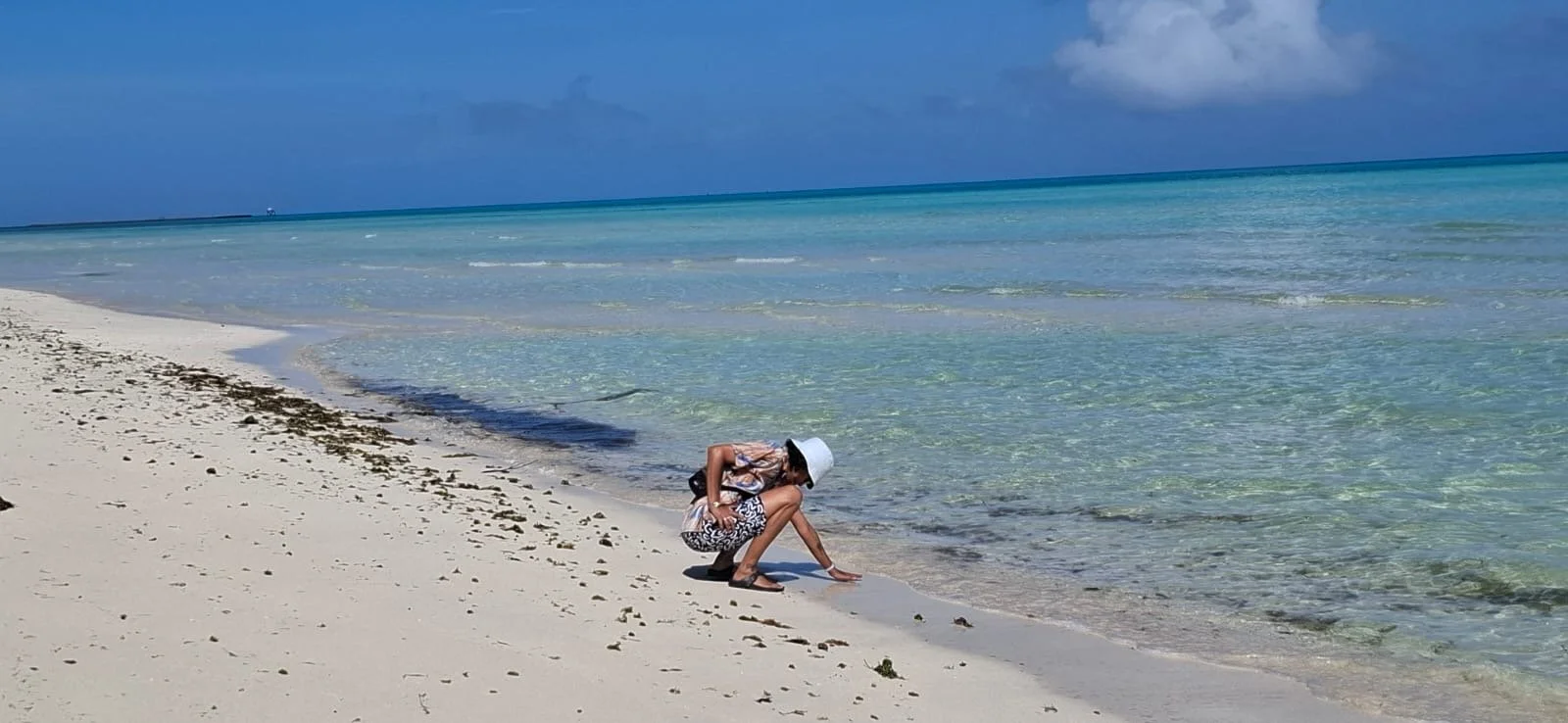
Listening. Andros, Bahamas. 2026.
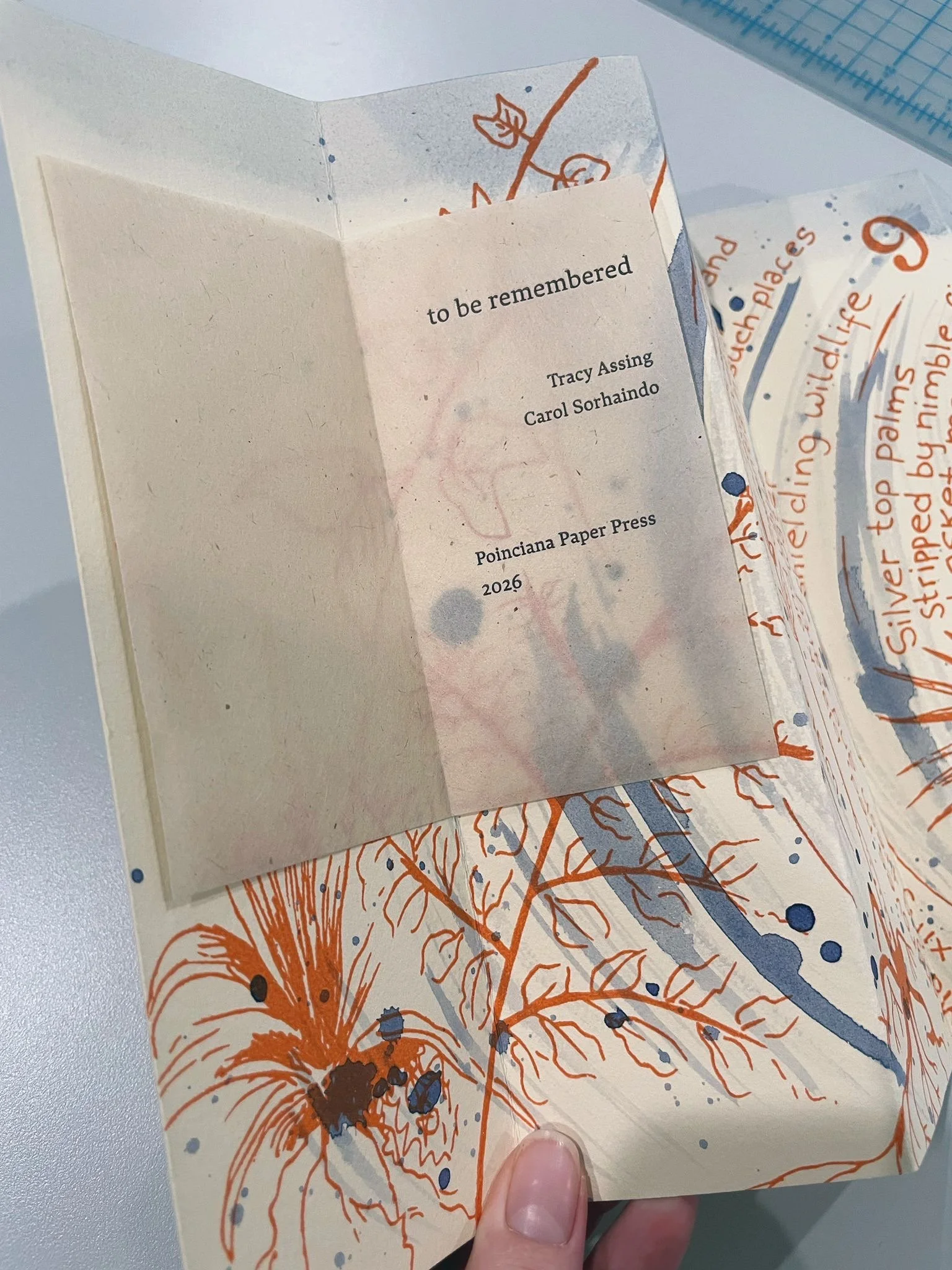
to be remembered. Poinciana Paper Press, Feb 14, 2026. Nassau, Bahamas.
to be remembered
Tracy Assing & Carol Sorhaindo
Poinciana Paper Press 2026
Edition of 20
Accordion fold book, silkscreen and letterpress-printed, with hand applied natural dyes from cocoplum, logwood, and rouccou, and handmade paper covers using banana and sisal fibers.
"to be remembered" is a handmade artist's book that reminds its reader that everything is entangled: places, histories, and timelines. Collapsing a ten-part poem by Trinidad writer Tracy Assing among a whirlpool of collected sketches and handwritten research notes and anecdotes by Carol Sorhaindo from their shared time in Andros, The Bahamas, the book reminds us of the past in the present, the landscape in everybody, and the fierce endurance of indigenous and ancestral knowledge within the oppressive forces of modernity.
Indeed, as the reader finishes the first side of the book, they flip around to its opposite side where an indigenous person of the Caribbean lounges in a hammock. Based on an illustration of Taino dwellings from "Historia Generaly Natural de Las Indias" (Vol 1, Oviedo y Valdes, 1851-55) and adapted collaboratively by Sorhaindo and Assing to place this figure in the landscape of The Bahamas, it foregrounds stereotypical flora such as palm trees, pineapples and hibiscus flowers, then melts into the more ancient and enduring ecologies of mangroves and pines forests.
A carefree symbol of relaxation on vacation, the hammock is an indigenous invention that endures to this day after European explorers encountered it, then co-opted it while labelling its creators lazy for their laid-back lifestyle and enslaving them in a brutal existence of exploitation-historical accounts will say until extinction, but indigenous knowledge, inventions. and indeed bloodlines endure.
In the gentle roll of the mountains and valleys of its accordion fold structure, artificial boundaries dissolve: as above, so below, creating a hammock-like womb anchored between its two sturdy trunk-like covers to invite readers to meditate on the liminality of Caribbean existence, a welcome respite in a region historically shaped by the fantastical and destructive imagination of the explorer. Here, rootless in our time and place, we nevertheless encounter a tether stretching over centuries to our birthright of sacred sovereignty, tenacious and ever-present, reminding us we are defiantly dreaming and alive.
Sonia Farmer